When looking at the Dock, it can be difficult to tell when a running Mac app has been hidden from view. But with a quick Terminal command, hidden app icons can fade into the background with lowered opacity.
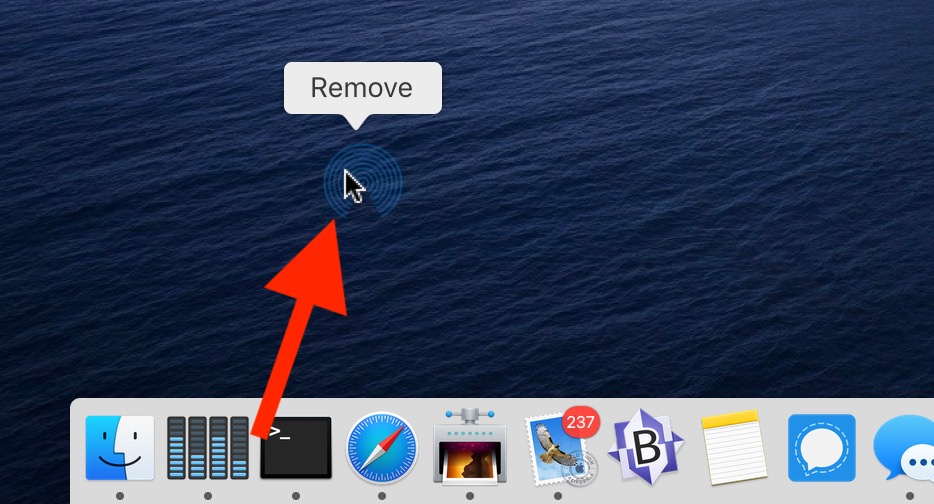
App Cleaner & Uninstaller finds all types of startup programs on Mac and allows you to easily disable or enable them. Follow this link to download the app for free. Run App Cleaner & Uninstaller. Go to the Startup Programs section. Select unneeded apps and switch their toggle buttons or click the Disable button. Stop apps from opening using your Dock. If there is a particular app that keeps opening automatically, you can quickly change this from your Dock, assuming the app is there permanently or as a recently-used app. 1) Right-click or hold Control and click the app’s icon.
If you’re a Mac user who frequently has a cluttered screen full of open windows, OS X’s app hiding feature is perfect for you. It’s simple: just press Cmd+H to hide all of the windows that belong to the app you’re currently using. They’re still running in the background, but are not visible on your desktop. To bring them back and instantly pick up where you left off, just click the app’s icon in the Dock.
Other than pressing Cmd+H, you can hide currently running apps in a few different ways too. For example, pressing Cmd+Option+H will “Hide Others,” or every window on your screen not belonging to the active app. This is really convenient for focusing on one specific task. You can also hold down the Option key when clicking away from an app to hide it.
Here’s the one downside to hiding open apps on your Mac: you can’t tell which apps are hidden by looking at the Dock. There’s no indication that they’re hidden, so they blend in with all of your visible apps. A buried feature of Mac OS X takes care of this issue, though, by making hidden app icons translucent in the Dock. This way you can instantly recognize which apps are visible and which ones aren’t. Here’s how:
Running Mac Apps On Windows
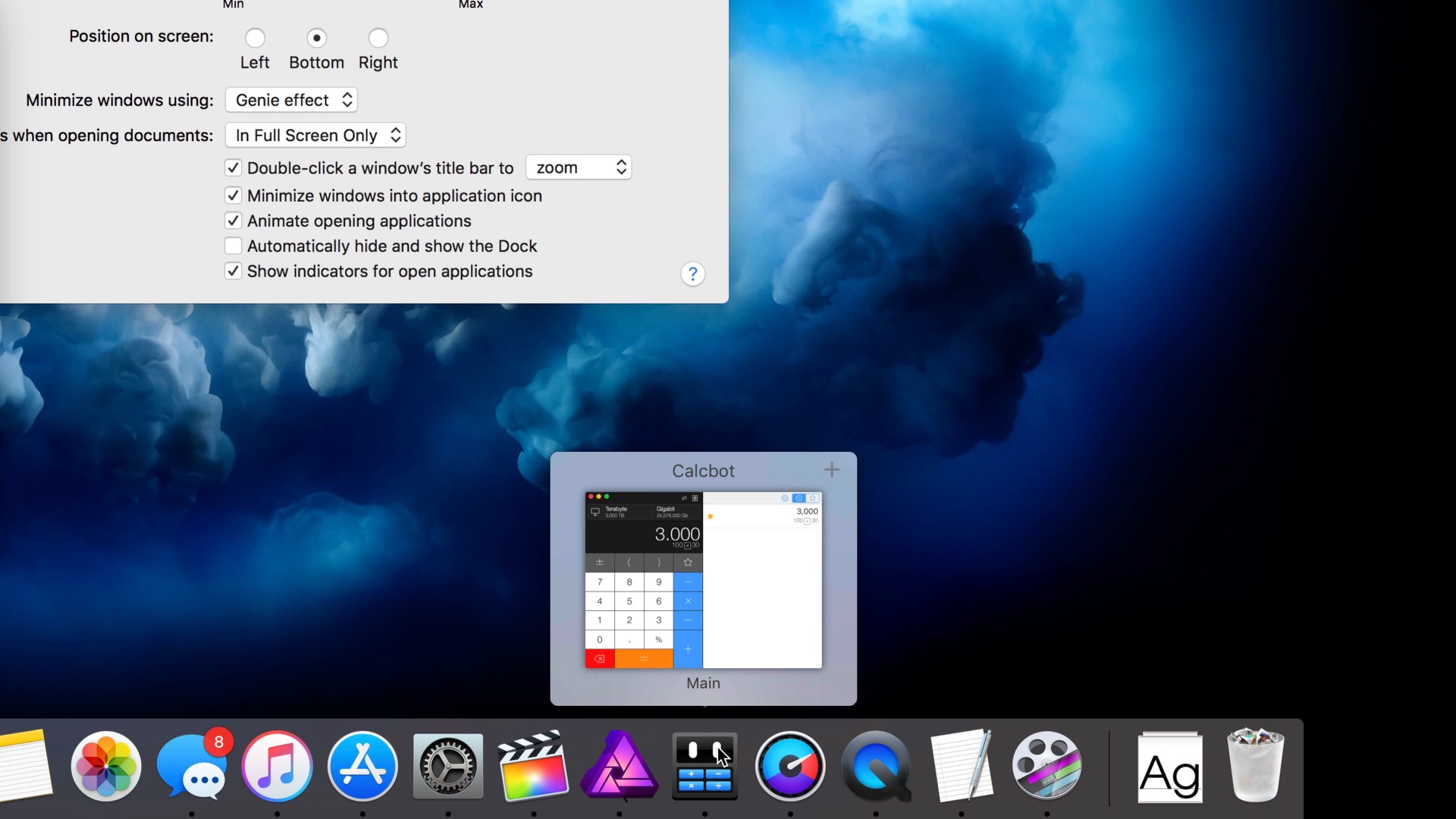
Launch Terminal (Applications > Utilities) and enter the following command:
defaults write com.apple.Dock showhidden -bool YES
Press Enter on your keyboard, then type this command for the changes to take effect:
killall Dock
Press Enter again and you’re done! You’ve enabled a setting in the Dock’s preference file to make hidden app icons translucent. Hide an open app to try it out!
You can reverse this setting at any time by running this command:
defaults delete com.apple.Dock showhidden
Now just run “killall Dock” again and you’re back to normal.
Back in the earlier days of the Mac, OS X used to have a built-in feature that let you focus in on a single window while hiding all the others. For whatever reason, Apple decided to get rid of that. As a result, it’s also now difficult to hide all your open windows to protect against wandering eyes nearby.
Fortunately, a new Mac app called Hides restores these features. The app lets you use your Mac in “Single App Mode” as well as quickly hide all of your windows with a single click or keyboard shortcut. Hides is $4.99 in the Mac App Store but well worth it if you’re often in a busy environment but need to get some private browsing done.
Hide Your Entire Desktop
If you want to hide your entire desktop with Hides, utilize the Preferences panel that opens upon first launching the application. You can decide whether you want to hide every running application or just use Single App Mode. For our purposes, make sure Single App Mode in the left sidebar is switched off.
While Hides sits in your menu bar for easy access, you might want to set a keyboard shortcut hide the windows even quicker. Select Hide All Apps in the Preferences to do this. Then click Record Shortcut and choose your key combination to set.
From there, either click Hides in the menu bar and choose Hide All Apps or just use your keyboard shortcut. All your windows will click vanish from the desktop.
Tip: The application icons will still appear in your dock even if the windows are gone. A good way to quickly get rid of this is to hide the dock too by using the shortcut Command+Option+D.Hide Individual Applications
To hide individual applications on your Mac, you’ll want to head back into the Hides preferences, accessible via the menu bar option. This time, click the switch on the left that turns on Single App Mode.
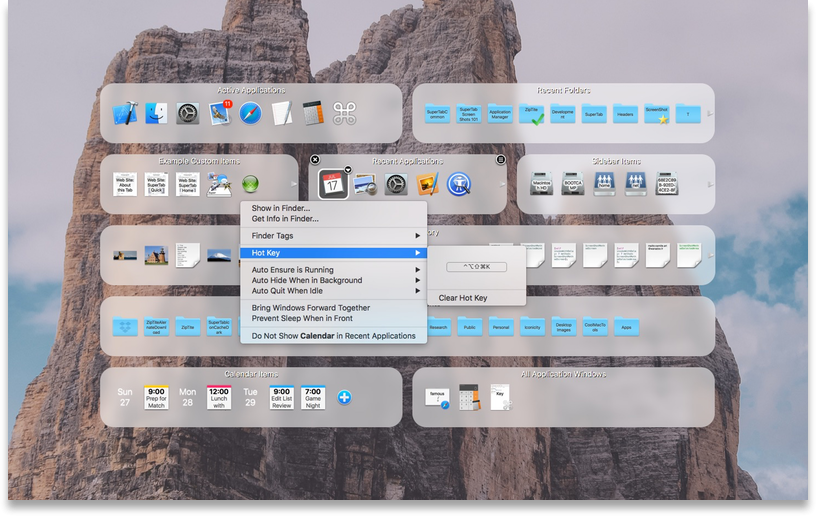
Single App Mode essentially only lets you use one application at a time and it will automatically hide the rest. If you have Safari, Messages, Calendar and Mail open and Single App Mode is enabled, you’ll only be able to see one of the four that you choose. If you decide you only want to see Safari but then attempt to open Messages, the Messages window will open and Safari will automatically minimize.
This is a great tool if you need laser focus on a specific application and don’t want the distracting clutter behind it on your desktop. Hides lets you pick a keyboard shortcut to enable Single App Mode too, so take advantage of that if you want quick access.
If you need even more privacy on your computer, do check out our handy guide to not only hiding files and folders on your Mac, but password protecting them too.
The above article may contain affiliate links which help support Guiding Tech. However, it does not affect our editorial integrity. The content remains unbiased and authentic.
 Also See#OS X
 Keep App Running Background Hide Dock Mac Pro
#privacyMac Hide Dock Shortcut
Did You Know
Your browser keeps a track of your system's OS, IP address, browser, and also browser plugins and add-ons.