Ever found yourself in a situation where you loved software, only to know that it is compatible with Mac machines? Agreed, it is an anomaly as the number of Windows compatible software is vast. But at times, you might find yourself in such a situation or may come across with certain apps that work better on macOS.
If you are stuck in such a situation, here we will state ways for you to run Mac apps on Windows 10 device. Surprised! Don’t be, just remember nothing is impossible.
On the Privacy screen, scroll down and click on Background Apps in the left pane. In the right-pane, toggle OFF Specific Apps that you do not want to run in background. Note: You need to toggle ON “Let Apps Run in Background” option to disable specfic Apps from running in background.
Ways to run Mac Apps on Windows 10
Step 1: Make a Virtual Machine with macOS on it
This is the simplest way to get Mac on Windows and run Mac apps on windows PC. To learn how to run Mac programs on Windows check out my tutorial on How to Install macOS Mojave on Windows 10 in a Virtual Machine?
The step by step guide will make you learn how to get macOS virtual machine and how to install it on Windows 10.
Once you have the virtual machine up and running with macOS on it, come back here to learn ways to install and run Mac apps on Windows.
Step 2: Use your Apple Account
From this step onwards everything will work in a similar manner as it works on actual macOS. You’ll need to login into your Apple account to access App Store. If you don’t have one you’ll need to create an Apple account.
To create an Apple account on a web browser, follow the steps below:
1. Head to Apple ID account page, fill in all the particulars given in the form to create your AppleID. Remember provided email address will be your new AppleID.
2. Next select security questions, if you want to receive updated checkbox to subscribe.
3. Click Continue.
These simple steps will help you create an Apple ID.
Once done login to your Apple account to start downloading apps from App Store. To access App Store click on App Store icon present in the dock. Log in to your Apple account > look for the app you wish to download > click on Get > Install.
This will install the apps on your macOS virtual machine installed on Windows 10.
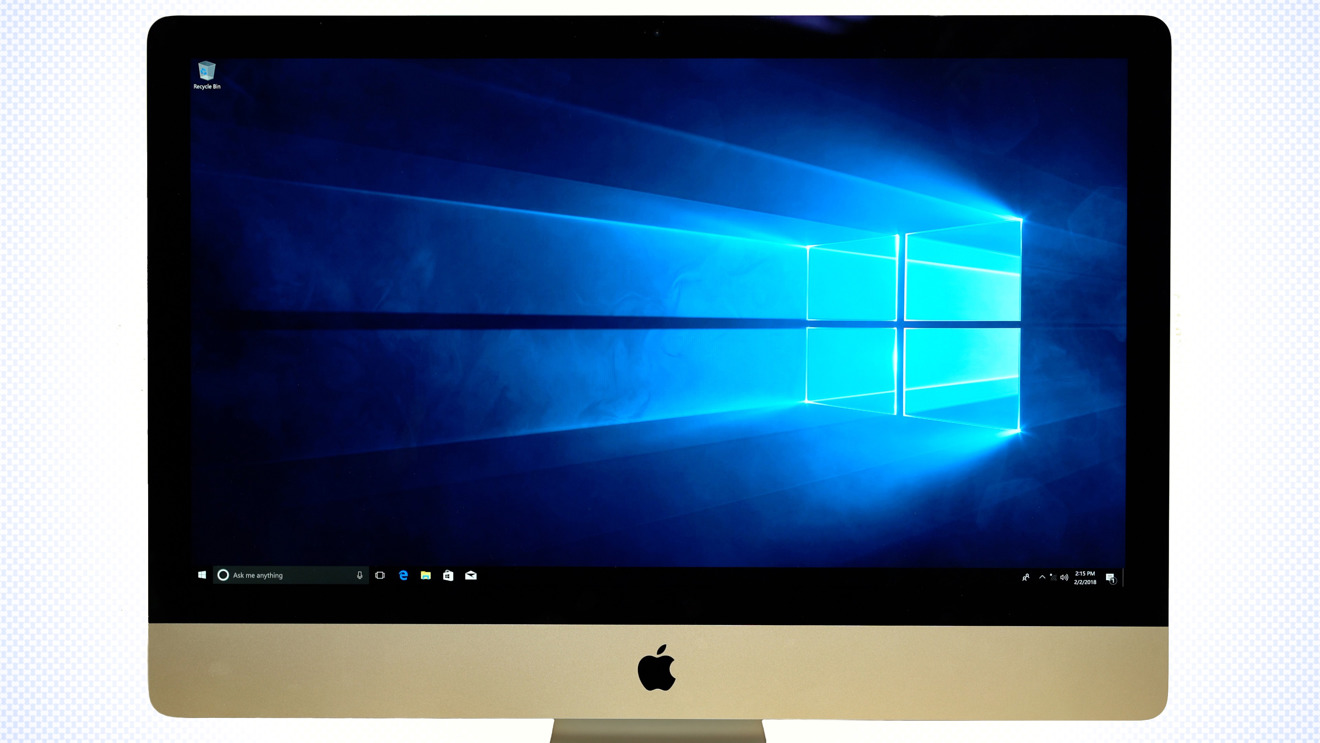
Find The Apps Running On Macbook Pro
Using these simple steps you can use macOS on Windows 10 with the help of a virtual machine.
This might hit you with questions like what about the current session? Will you able to resume it from where you left or not?
To resume working from where you left you would need to shut down virtual machine in a sequence for this click on Apple logo > Shut Down. This will help you resume working.
However, if you want to extra cautious you can take a snapshot, to save the current state of the virtual machine.
To take a snapshot on VMware click on VM > Snapshot > Take Snapshot.
Mac Search For App
Next, give a name to the snapshot and hit Take Snapshot.
This way you’ll be able to save your current session.
Using these simple steps you can easily run Mac Apps on Windows machine. However, you must never forget since you are using a Virtual machine they might not work as on actual macOS. This is simply due to a virtual machine sharing the host machine’s system resource. In addition to this, a piece of advice avoid updating your macOS Virtual Machine as the patch that makes the macOS virtual machine run is compatible with a specific version and may not work with the updates.

FAQ’s
Can you run Mac apps on Windows?
You can run Mac apps on Windows 10 easily, but before that you need to install macOS on Windows 10 in a virtual machine. Here, virtual machines play an important role to imitate dedicated hardware by emulation of a computer system. You also need to download and install certain essential tools such as VMware to run Mac apps on Windows 10.
Can you run Mac on a PC?
Yes you can run Mac on a PC like a pro. To do this, you would require a compatible PC where you can install macOS. Here, you need to select the hard drive on which you never had Windows installed. You can run Mac on a PC by creating an image file of macOS or doing it through a virtual machine.
Can you download Apple apps on Windows 10?
Apple’s iTunes apps are now available to download on Microsoft’s Windows 10 Store. It is useful development for users who wish to access iTunes apps on Windows 10. Here, you can download, purchase, and manage iTunes apps easily from Windows 10 Store.
Is it safe to use Hackintosh?
Well, it totally depends on the method you use to access macOS on Windows machine. If you create an image of macOS and clone it on Windows PC or you try a virtual machine to access Mac apps on windows PC, you probably are in safe hands. On the other hand, it could be debatable whether using Mac on Windows is legal or not, as you are licensed to use the software and license terms don’t allow you to imitate software.
Is a Hackintosh worth it?
If you want to access all features and functionalities of Mac without spending money on buying new Mac system, then Hackintosh is a good option. It is also useful for users who tend to work on two different systems that require access to Mac and Windows features.
Of course, you can give it try, but keep in mind you can lose everything on the virtual machine in this process.
Hurry up….! Subscribe to our YouTube channel to stay updated with tech related information.
Recommended Readings:
What are startup items?
Startup items, or login items, are services and applications that launch every time you start your Mac. These are applications that sneak into startup items without notice, never asking if you need or want them there. This way you may end up with a dozen apps launching as soon as you turn on your Mac, weighing heavily on its processor and memory capacities and slowing it down. Such items can increase your Mac’s startup time and decrease its performance.
Plus, sometimes when you remove an application or a service, it leaves a login item with a broken link. These broken login items are completely useless, cause unwanted messages, and waste your Mac's resources (because they look for non-existent applications). Whether you're running macOS Catalina or El Capitan, or earlier — it's all the same, so just read on.
So, let's go over how to take control of login items, and how to get rid of unwanted, broken or hidden startup items.
How to disable startup programs?
Do you want to stop programs from running at startup? There’s an easy way to remove programs from startup and get your Mac to load faster on launch. The fastest way to turn off startup items on Mac is an app like CleanMyMac X.
- Download CleanMyMac for free.
- Launch the app.
- Open Optimization tab.
- Click on Login items.
- From the list of apps, disable the ones you don’t need on startup.
- Done!
How to change startup programs manually?
Disabling Mac startup programs is possible manually. Therefore, if you have some time and would like to do it yourself, follow the steps below.
Your login items are listed in settings. One of the easiest ways to control startup items is inside System Preferences > Users & Groups.
- Open System Preferences.
- Go to Users & Groups.
- Choose your nickname on the left.
- Choose Login items tab.
- Check startup programs you want to remove.
- Press the “–” sign below.
- You’re done.
- If you need to add an item back, press “+” and choose the app you’d like add.
- Then restart your Mac to see the changes.
How to fix broken startup items?
Find Apps Running In Background Windows 10
Broken Mac startup files are left there because some part of apps are left on your Mac long after you’ve moved the app to the Trash. To get rid of these parts and to fix your startup, you’re going to need CleanMyMac again. First, you need to check if they’re among startup items and disable them if so. You can do it following the instructions above. Then you need to remove app leftovers. CleanMyMac works fine on macOS High Sierra and earlier OS.
- Launch CleanMyMac.
- Choose Uninstaller tab.
- Scroll through the list of apps.
- If you spot any app that you’ve deleted, check them.
- Delete the app leftovers you’ve chosen.
You can also find and remove broken login items with the help of System Junk module:
- Choose System Junk tab.
- Click Scan.
- Review details and click Clean.
Finally, you need to clean your macOS startup items through launch services:
- Open Maintenance tab.
- Choose Rebuild Launch Services.
- Hit Run.
- Done.
Once you do it, all broken app data on your Mac will be fixed.
Remove daemons and agents from startup process
If speaking of files, first go to the system folder /Library/StartUpItems. Here you’ll find all the startup files that are being launched with the system. You can delete the login item you think is necessary if you’re totally sure what you are doing.
Also, the /Library/LaunchDaemons folder contains a bunch of preference files that define how the application that is being launched along with the system should work. You might want to delete some of these files as well if you know you don’t need them and removing them is safe.
The /Library/LaunchAgents contains preference files responsible for the apps that launch during the login process (not the startup).
The above-mentioned folders contain app-related files. However, you can also check system folders to review whether you need some of the system applications to be running on startup:
- /System/Library/LaunchDaemons - note that besides preference files this folder contains other important system items that are recommended to keep untouched.
- /System/Library/LaunchAgents - most probably, you won’t also find anything worth removing in this folder, however, keeping this location in mind might help you find files related to a problematic app that causes troubles on Mac startup. If you have a problematic application that messes about on login, you can try to trace it back from this folder.
But, if you’re looking for simple ways to remove login items, we suggest using a professional Mac utility. Download CleanMyMac X for free and make unwanted and broken login items a thing of the past.