- A lot of continuous checking is going on inside your Mac to make sure all these readings are what they should be, and while you typically never need to know these readings, they can help you verify your Mac’s hardware is working properly. The one application that can read out all these sensors is TechTool Pro. It is a pretty comprehensive system test suite that includes sensor testing.
- If you want to add an app's icon to your Dock to make opening the app easier, read: How to add apps to the Dock on Mac. Check the Force Quit Applications menu Press Cmd + Alt + Escape to see the.
If there’s one thing in the technology world that never changes, it’s that everything changes. My shiny new device gets covered in greasy fingerprints, my charging cable frays, and my pristine new headphones tangle into an impossible white knot.
I’ve noticed that a similar thing happens inside my computer, too. What started out as a great app starts to run slow, or starts asking me for my password every time I try to open it, or stops responding and gives me the candy-colored pinwheel treatment.
Verify App Signature Mac
Apps purchased from the Mac App Store also show up in the Dock. Check the Dock for your app before attempting to find the application in the Application folder, Launchpad or Spotlight search. Information in this article applies to Mac OS X Mavericks. It may vary slightly or significantly with other versions or products.
And that’s just the stuff I can see. The older apps get, the more vulnerable they are to security issues and the more likely they are to be incompatible with newer software. Really, it’s a hassle I don’t need.
The key to avoiding frustration and lost productivity for me has been to keep my applications as up-to-date as possible. Sometimes, though, this is easier said than done. Out of the box, my Mac doesn’t have a great way to update apps from third-party developers. And it’s not like I can do my job with just standard apps in the Dock.
How To Verify App On Mac
Some of these updates are more straightforward than others, which is why a one-stop tool like CleanMyMac X has been a lifesaver for me. Below, I’ll walk you through how to update different kinds of apps on your Mac, and recommend some easy fixes to frustrating problems.
How to update apps on Macbook
The most straightforward way to update apps on your Mac is to use the Mac App Store. This feature collects updates to any app you’ve downloaded, as well as your Mac OS operating system.
When you open the update tab, you’ll always see the most recent available versions of your applications, so there’s no need to compare. Plus, the App Store’s updater makes it a snap to download and install all the updates you need at once.
Here’s how:
- Click the Apple logo in the top left corner of the screen.
- Select “App Store” from the drop-down menu (If you have updates waiting, that menu will show you how many).
- You can also open the App Store from the Dock and click the Updates tab to see which of your applications are out of date.
- Click the Update button beside each app to start downloading and installing the update, or hit Update All to do them all at once.
You can have the App Store remind you when it’s time to update your OS. In System Preferences, click Software Update and check the box that says “Automatically Keep My Mac Up To Date.” The app will prompt you with a pop-up alert the next time there’s an update ready to install.
Mac AppStore not updating applications? Here’s what to do
Unfortunately, the App Store method only works for software distributed by Apple and other developers through that store. That means that if you want to update any application that you downloaded from another source, you’ll need to find another method.
Some popular third-party apps like Spotify have their own update prompts that appear when new versions are available. Some even have background installers that can auto-update, leaving you one less thing to worry about.
Here’s an example of how to update a third-party app popular with Mac users, Google Chrome:
- Click the Chrome drop-down menu in the top left corner.
- Select “About Google Chrome”.
- Chrome will scan for new versions and let you know if you’re running the most up to date version.
- If your version is out of date, click the update button.
Some smaller third party applications might not have a built-in update check. You’ll have to visit the developer’s website periodically to check for new versions. Or, you can install an RSS tracker to monitor the developer’s website for updates, which should make the whole process easier.
Updates don’t always make your life easier. For example, the new Mac operating system Catalina no longer supports 32-bit applications. Many Mac users are finding that older apps don’t work after they install the new OS. If you’re worried about having to choose between apps you rely on and a new OS, it’s better to go without the update for now.
How to update apps on Macbook with CleanMyMac X
If all of the above sounds like a bit of a hassle, you’re right (I’ve tried it). Trying to keep everything up to date ended up sapping my productivity. That’s when I decided to try CleanMyMac X. I was already using this powerful tool to cleaning junk off my hard drive and protecting my Mac from malware, but I decided to give the Updater tool a try.
Right off the bat, Updater felt different. It had the same smooth Mac-style interface as the app store, but it showed updates for all the apps I had installed. It also imported developer notes and preview screenshots from the App Store and from other sources so I could see exactly what was going to change.
Having it all in one convenient place saved me a lot of time–I can see myself adding an update check to my normal work routine easily.
Here’s how it works:
- Open CleanMyMac X — download a free version here.
- Select the Updater feature from the left-hand panel.
- Check the boxes next to the apps you want to update, or click “Select All.”
- Click the large “Update” button.
How To Verify App On Mac
That’s all it takes! I already rely on CleanMyMac X to handle other tasks, and now I can add app updates to the list.
Recent changes to the Mac operating system mean that software not distributed through the App Store must pass Apple’s notarization process before it will run on macOS Catalina. CleanMyMac X is already notarized by Apple and will work with Catalina, so it’s a great tool for getting your other apps up to date.
To ensure the authenticity of its software updates, Apple digitally signs all updates and offers them exclusively through the App Store or Apple Support Downloads site. Always get Apple software updates from one of these sources, and always check these sources to make sure that you have the latest software version.
Some software updates are automatically verified
Verify App Macbook
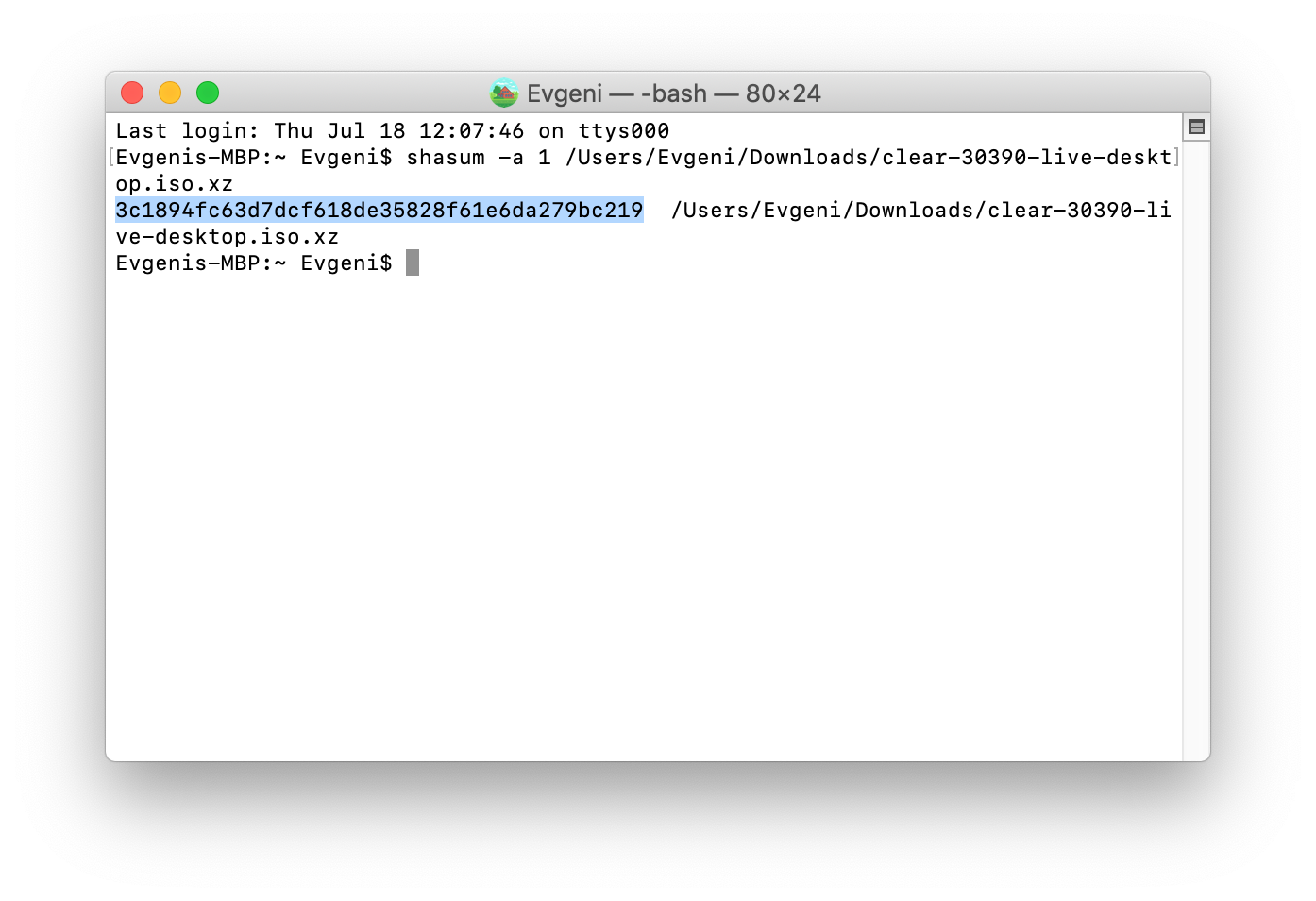
When you download and install an update from Apple, Apple's digital signature is automatically verified before installation.
Manually downloaded software updates can be verified manually
If you manually download an Apple software update, you can confirm that the update is authentic and complete by verifying the digital signature before installation.
- Double-click the software update package (.pkg) file to open the installer.
- Click the lock icon or certificate icon in the upper-right corner of the installer window to see information about the certificate. If neither icon is present, the package is unsigned, and you shouldn't install it.
- Select 'Apple Software Update Certificate Authority,' as pictured below. If you see a different certificate authority, or the certificate doesn't have a green checkmark indicating that the certificate is valid, don't install the package.
- Click the triangle next to the word 'Details' to see more information about the certificate.
- Scroll to the bottom of the Details section to see the SHA-256 fingerprint.
- Make sure that the SHA-256 fingerprint in the installer matches one of the following fingerprints from Apple's current or earlier certificate. If they match, the signature is verified: click OK and allow the installer to continue.
SHA-256 12 99 E9 BF E7 76 A2 9F F4 52 F8 C4 F5 E5 5F 3B 4D FD 29 34 34 9D D1 85 0B 82 74 F3 5C 71 74 5C
The installer automatically verifies the files in the package. If any file has an issue, installation stops without changes to your system, and you'll see a message that the installer encountered an error.